

I have no idea what to write about today, but I know I want to write something. I usually have some semblance of a plan for these, but today, I’ve got a grand total of nothing, so I’m just going to dive in and see where I end up.
I recently came across a writerly term called “pantsing.” I guess I should have been able to discern its probable meaning, but I had to Google it. Sure enough, it means writing by the seat of your pants.
Yay, I’ve found my label.
I’m a natural pantser in nearly every area of my life. This can be a boon and a curse, Zagreus.1 It has gotten me into trouble more than once, that is for sure. You begin to learn along the way that not every situation can be pantsed and you probably need to do at least a little due diligence before you strut onto the scene and make things up as you go. I’d say this has been my main area of growth in the (much too short) intervening years between my dumbass era and non-dumbass era2: knowing when I can roll with the punches and when I need to do some jumping jacks beforehand.
In a lot of ways, it has worked out well for me, though. Handling communications for a large (to me) department is one of them. I try to plan ahead as hard as I can, and a lot of times, that works, but many times it doesn’t. Things are constantly shifting and changing, and sometimes I need to pivot really damn quickly and get something different done in the space of a few hours. Pantsing at its finest. Sometimes, I marvel at the fact that I was able to create a job for myself that allows me to get paid to fly by the seat of my pants. It took a long time, though, kinda like sorting Legos.3
Naturally, this pantsing “skill” translated to writing, and I think it was this that terrified me at first. I had an idea for a story and a vague conception of how it would end but no idea how to get there. I started to doubt if I had what it took to write a story if that was the case. Then I read Stephen King’s On Writing (there he is again!) and found out this is literally how he writes 95% of his stories, and I suddenly had a new lease on writing. My hero is just like me, I rejoiced, I can do this, too! Even more exciting was his directly telling me that I don’t need to screw around with character sheets and plot outlines and creative writing classes if I don’t want to. If I have ideas, follow them. I’ve never had such a big mental sigh of relief, I don’t think. I hate character sheets and plot outlines. I’ll probably start dabbling in them at some point, but only when/if it becomes clear that I need to. The fun part—getting the story out—doesn’t need to be bogged down by that crap, and besides, doing it this way—my way—is like reading a story but even better! I’m experiencing it as I go, just like you will and just like my characters do. It makes for a wonderful experience, and even better is when some new idea comes out of left field, surprises even me, and then ties into larger themes later on in a way that I never could have planned. It’s truly exhilarating.
I’m working on Rue right now and pantsing that, too, I guess. I’m neck deep in “ruevisions,” and I’ve hit a couple of known roadblocks along the way already. I think I’ve mentioned these already but whatever. The first was that I knew nothing about law enforcement. How the hell am I going to make this aspect of the book accurate? I wondered. Well, with David Lawson, that’s how. I’ve worked with him for years but only recently got to know him better through the kids’ school. He read my book and gave me amazing feedback to work on. (Now I’m remembering, yes, I did mention this before, albeit in less detail.) Then came the medical stuff. I’ve tried a few things to bring more accuracy to that aspect of the story, but I realized my approach was wrong. Last week, I emailed my personal doctor, Aaron Heindl (who I happened to also go to elementary school with), a list of specific plot points and related questions. You don’t need to read the whole book, man, just five minutes of concise, specific stuff. I was worried about what his response would be, even though he consented (through our mothers, who knew each other before we were born) to give me his email. It’s a lot to ask someone for feedback on your work, and the farther removed they are from your day-to-day life, the harder it feels. Mere hours after I sent my email, he responded, saying let’s hop on a call to hash it out, and that is what we did. Here we were, two guys in our late thirties with kids in bed on the other side of our office walls and nothing to connect us other than our mothers, vague childhood memories, and an emergency testicle exam, and we were talking about my novel. He dove right in and gave me more than I could have asked for. It was amazing—much better than the testicle exam, at least. The next morning, I flew at my story with renewed vigor. It was still a bitch to rework some of the medical stuff, but at least I knew I was on the right track this time and had a willing lifeline to call if I needed it.
Now I’m second-guessing myself, though. I know the story is good, but I started listening to The Shit No One Tells You About Writing podcast, and man, I don’t know that my writing is going to be on the level that agents are looking for. I guess we will find out. In the meantime, I’m going to keep listening and keeping the things I hear in mind as I continue my “ruevisions.”
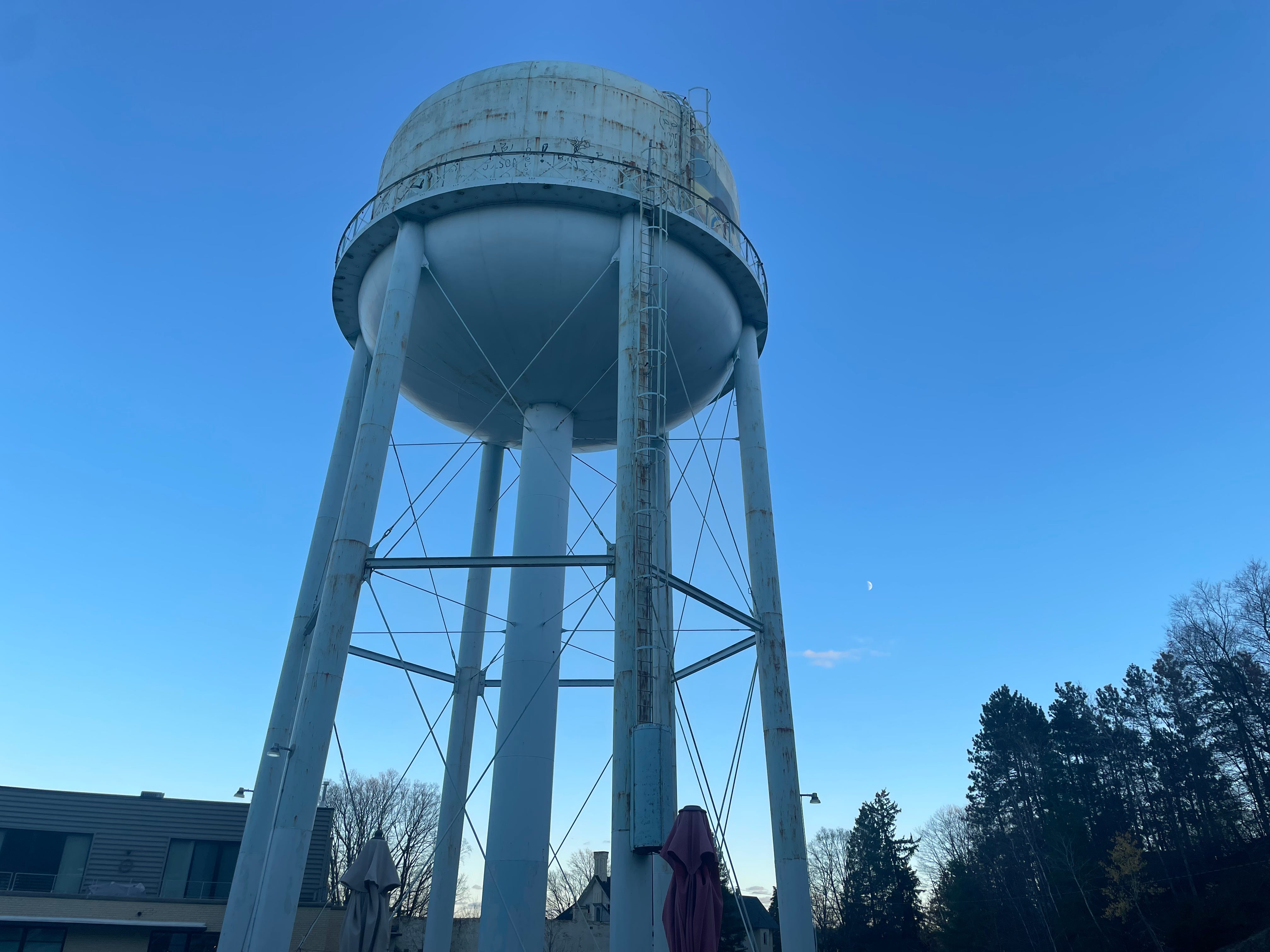
Another thing that this podcast reminded me of is that I probably need some sort of success story to offer when I do start querying agents. You know, like a short story that actually gets published instead of rejected. I know that two rejections in the writerly world are small potatoes, but I’m still going to call in the cavalry (David Lawson again) because if The Atlantic and AGNI aren’t going to give me feedback, I’d still like a good dose from this extremely thoughtful fellow before I start farming Eulogy out again. I also need to revise The Water Tower because they are very different stories and could likely be submitted to very different places simultaneously. The issue is I don’t want to lose momentum on Rue, and I’m not really sure how to figure that out yet. That’s boring, though, and you aren’t going to help me with that, so I’ll just shut up about it. (But I’ll probably finish my “ruevisions” before pivoting to short stories again, I guess.)
Anyway, this is where I’m at with things now. Oh, and I signed up for a class about publishing and securing an agent on Sunday, 11/24. It’s all virtual, of course, and runs from 11 am-4 pm. Look at me, going to school again.
Well, I think I’ve pantsed enough for this day. Time to go and let the real pantsing begin. BEWARE, CLYDE AND ARCHIE.
Pantsing: To yank someone else's pants down. Usually done in a humorous fashion.
Like what you’ve read so far? Leave a comment or donation below. Thank you!
Sometimes, my references are for one person, and if you aren’t that person, this sentence will make zero sense. If you are that person, I’m expecting a text message shortly saying, "Am I that person?” The answer is yes.
The existence of this era remains to be verified.
Said Legos are still not fully sorted, by the way. It turned out that the first round was only a FIRST DRAFT, and I needed to do some revisions. I’ve since cleared out more drawers for Lego usage and divvied up large bins of pieces into smaller bins of fewer types of pieces. These kids better appreciate this…